
3 Best Resume Formats (With Examples) for 2026: The Ultimate Guide
📄 Introduction: What Are the 3 Main Resume Formats?
Are you submitting a resume that hiring managers can’t read? Choosing the wrong resume format is the fastest way to get your application tossed—no matter how great your experience is.
A resume format is the structural layout you use to organize your professional information, dictating how a recruiter processes your career journey. It’s not just about font and margins; it’s about strategic organization.
Why Format Matters
Recruiters spend an average of six seconds reviewing a resume. If your layout doesn’t immediately highlight the most relevant information for the job, you’ve lost the opportunity. The right format helps you:
- ✅ Beat the ATS: Ensure Applicant Tracking Systems can parse your data correctly.
- ✅ Hide Weaknesses: Strategically downplay employment gaps or unrelated jobs.
- ✅ Highlight Strengths: Immediately showcase your stable work history or transferable skills.
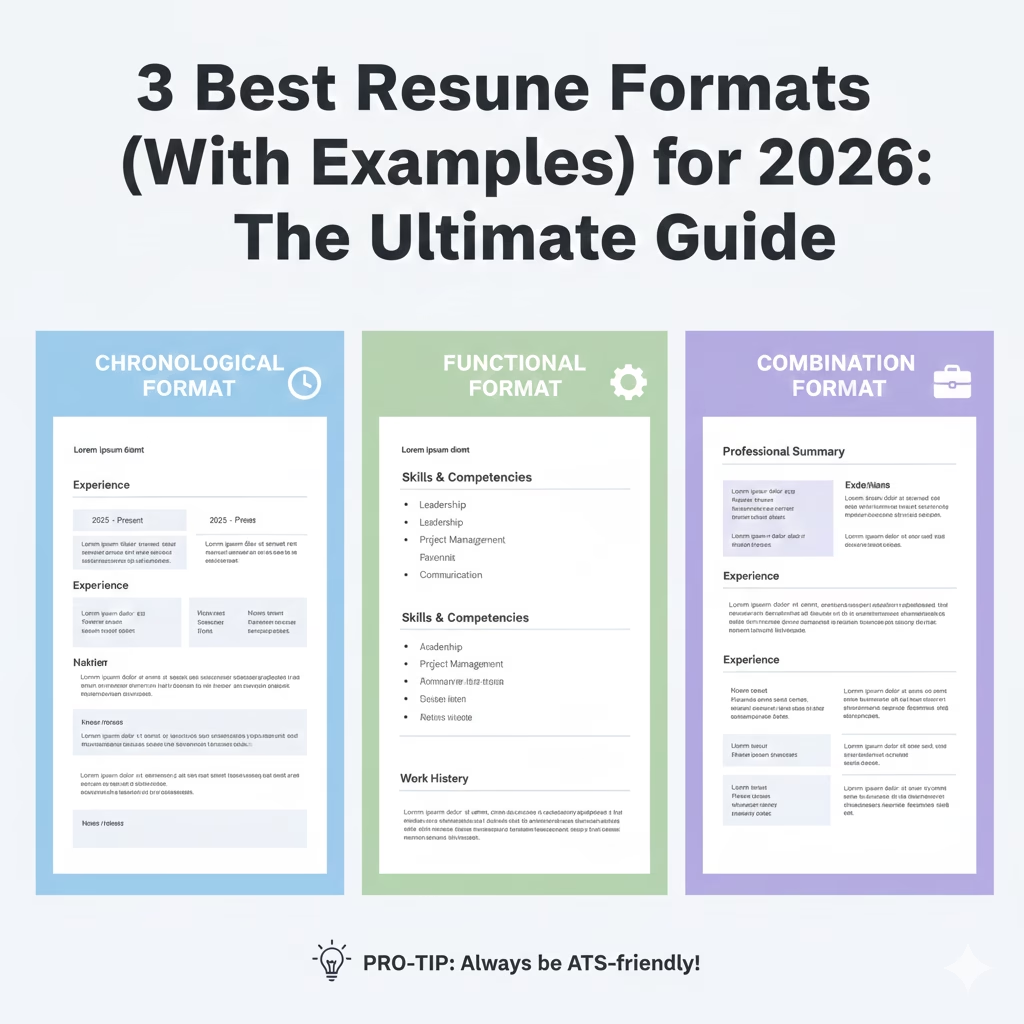
The 3 Primary Resume Formats
Choosing the best resume format depends entirely on where you are in your career:
- Chronological Resume: (The standard) Great for steady careers.
- Functional Resume: (Skills-based) Ideal for career change or employment gaps.
- Combination Resume: (Hybrid) Perfect for senior professionals with diverse experience.
By the end of this ultimate guide, you will know exactly which of the three primary resume formats you should be using for 2026, complete with section-by-section examples to ensure you stand out from the competition.
What would you like to draft next? We can move on to the detailed section on the Chronological Resume Format or the Functional Resume Format. Gulf Jobs